GU’s Experiential Leadership Institute shifts to a semester-long program | News
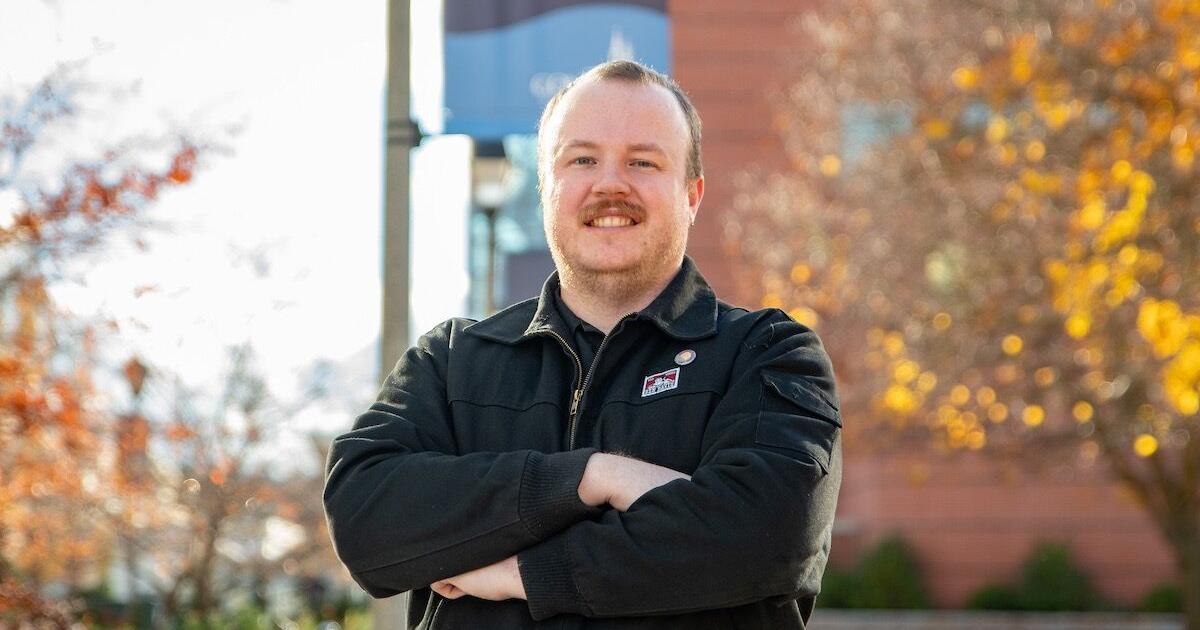
Transitioning from a yearlong program to a single semester, the Experiential Leadership Institute at Gonzaga University is looking to garner interest from sophomore and junior students.
The leadership development program provides students with hands-on leadership opportunities. Participants engage in weekend retreats, attend weekly two-hour mentor sessions and complete individual leadership projects such as community impact initiatives or public narratives. The program is housed within the Payne Center for Leadership Development, which supports several campus efforts centered on ethical leadership and service.
Jon Williams, a program coordinator in the Payne Center, said the institute’s mission is to prepare students for lives of leadership and service for the common good.
“We are really looking at how the community and those relationships inform our decisions,” Williams said. “We want students to understand how important relationships are to leadership.”
Williams said program participants often demonstrate a strong growth mindset and a genuine desire to continue learning long after the program ends.
“One thing I see in our students is that they have the mindset that ‘I’m not just going to use these leadership skills here, I’m going to keep using them even after the program ends,’” Williams said. “Students in ELI are looking for a way to translate leadership to a college campus or the job world.”
For many students, the program offers a balance of structure and creativity intended to develop their own approach to leadership. Williams said participants are encouraged to reflect on their personal strengths and values, explore how those traits shape their decision making and learn how to collaborate effectively with others.
Williams said the program’s change to a semester-long format came after coordinators noticed a drop in engagement during the second semester of the previous year-long model. This was the first semester that this new model was used. The program will accept new applicants each semester.
Williams said one of the most distinctive aspects of the program is that it is largely student-led, giving participants ownership over their learning process. Peer mentors, many of whom previously completed the program, help guide small groups and create a space for collaboration and reflection.
“One thing I always hear from students is that they wouldn’t have gotten to meet their peers if it wasn’t for ELI,” Williams said.
In the early weeks of the semester, students dedicate significant time to building community. They spend the first three weeks getting to know one another and identifying what draws them to leadership. Williams said this process of intentional relationship-building is essential for developing trust and teamwork as students move into their project work later in the semester.
For their projects, Williams said students can choose a community impact project or a public narrative.
Williams said the community impact projects identify a problem affecting GU or the surrounding Logan neighborhood. Students then connect with community partners to address the issue. With public narrative projects, students explore a connection between their individual experiences and a larger social issue, examining how personal stories can inspire others to take action.
Williams said the projects culminate in a presentation and the opportunity to apply for a grant to bring the initiative to life. Both options allow students to identify issues that matter deeply to them and apply their leadership skills to create meaningful change.
“We learn all about people’s stories,” Williams said. “It’s not just doing what’s the best for one person, but what’s the best for all people, which is great.”
Ella Stewart, a senior student mentor and former program mentee, said she wanted to continue developing her leadership skills after completing the program. Mentorship, she said, offered the chance to deepen her learning while helping others gain experience in leadership.
“It’s like homework,” Stewart said. “I got to learn leadership skills when I was a mentee, but now I can put them into practice by being a mentor.”
Stewart said the program teaches students not only how to be effective leaders, but also how to use leadership to benefit others and create positive change on campus and in their communities.
“ELI does a really good job of going into depth with the school’s mission statement,” Stewart said. “They really stress the importance that leadership should be used to help the world around you.”
Vee Schoenauer is a staff writer.
link